Open strings become an honest tone.
Setup, pulse, bow lanes and the first melodies.
Violin classes for children in Chennai and online. Not an object to master, but a voice to uncover, one breath of the bow at a time.
Spruce resonance
Maple projection
Human intention
Choose an open string, then press and draw the bow. Speed shapes energy; vertical weight shapes colour. Hold still for a sustained line. Release—or use Stop—to return to silence.
Pointer: press + drag · Keyboard: hold Space, use arrows · Escape: stop
Instrument ready. First gesture unlocks sound.
Instrument samples: VSCO 2 Community Edition, CC0 1.0. Processed locally for this interactive bow.
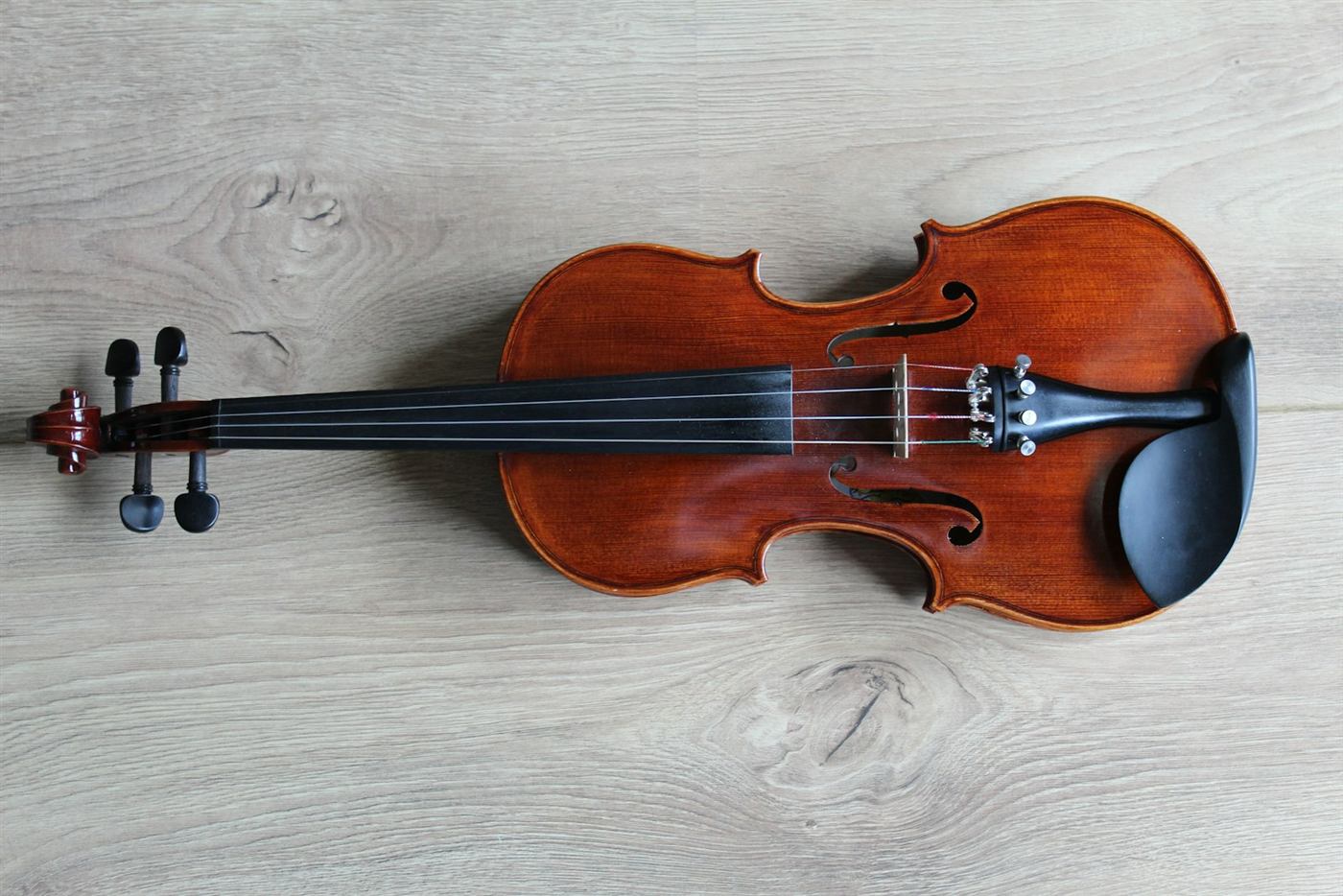 Carved to carry a whisper to the back of a hall.
Violin rewards attention: the angle of a fingertip, the pace of the bow, the space before a phrase. Our teachers make those invisible details understandable, then musical.
Setup, pulse, bow lanes and the first melodies.
Intonation, reading, scales and confident string crossing.
Vibrato, position work, colour and wider repertoire.
Advanced repertoire and optional Trinity Grades 1–8.
The lesson begins with alignment and sound: balanced feet, a free neck, an easy left thumb and a bow that can travel without the shoulder lifting. One tone or scale reveals what the body is doing.
Teacher and learner then isolate a musical need—perhaps a string crossing, an unstable shift or uneven bow distribution. Rhythm, reading, ear training and theory enter through the repertoire rather than sitting in disconnected boxes.
A final uninterrupted performance tests memory, recovery and communication. Practice instructions name a specific gesture, listening target and musical span, so “repeat the piece” becomes an intelligent plan.
Either can work if the instrument is correctly sized, set up and able to hold tuning. Growing children may benefit from rental or exchange options. Ask a teacher to assess an existing violin before replacing it.
Some unevenness is normal while bow angle, speed and weight coordinate. A teacher can establish a satisfying open-string tone early, so scratchiness becomes useful feedback rather than an accepted habit.
Learners sing, match open strings, hear intervals and notice resonance while the hand develops reliable spacing. Visual markers may help briefly, but the ear gradually takes responsibility.
No. Grades 1–8 are an optional structure for learners who value certification and defined milestones. Repertoire, ensemble playing and performance projects can provide equally meaningful goals.
Yes, with a camera view that shows the whole upper body and bow path. Online teaching can address sound, movement and repertoire in detail; clear audio and a quiet room improve tonal feedback.
THE FIRST BOW IS NOT A TEST.